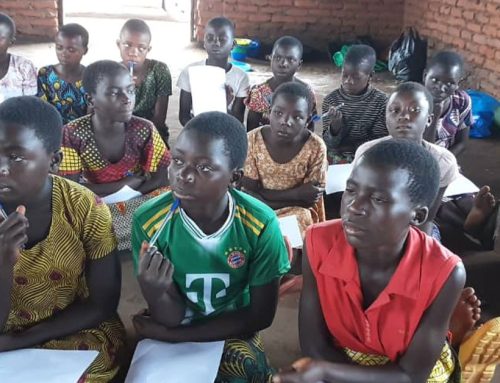
Access to clean and safe drinking water is a basic human need and a cornerstone of health. Yet billions of people around the globe still lack adequate access to this fundamental resource. In many regions of the world, a combination of factors, including water scarcity, inadequate sanitation, and poor water management, intensifies this crisis. This clean water and sanitation crisis has devastating consequences for health, education, and economic development.
Fortunately, Outreach International empowers communities to enact solutions to whatever specific water problem they face. This blog post explores the causes and effects of the crisis, offers insights through statistics and project examples, and highlights how sustainable, community-led efforts can pave the way to a better future.
 Understanding the Global Water Crisis
The global water crisis refers to the severe shortage of clean, safe, and potable water that billions of people around the world must live with every day. This scarcity stems from environmental, infrastructural, and social challenges that disproportionately impact vulnerable populations, especially in remote areas of low-income countries.
While many people in high-income countries enjoy reliable water access, approximately one in three people lack safely managed drinking water services, according to the World Health Organization (WHO). The effects of this crisis ripple through every aspect of life, from health and sanitation to education, economic opportunity, and overall stability.
Causes of the Global Water Crisis
The global water crisis is the result of several overlapping factors. Understanding these causes is essential to creating effective, long-term solutions.
- Climate Change
- Unpredictable rainfall patterns and prolonged droughts caused by climate change significantly reduce water availability.
- Extreme weather events, such as floods, damage existing infrastructure, contaminating water sources, and making them toxic and unusable.
- According to the Intergovernmental Panel on Climate Change (IPCC), water stress is expected to worsen in arid and semi-arid regions, further straining resources.

- Population Growth and Urbanization
- Rapid urbanization increases demand for water while often outpacing the development of infrastructure necessary to provide safe, reliable access.
- Population booms in developing nations increase demand on limited water resources. This leaves rural and marginalized communities particularly vulnerable because they are often the furthest from infrastructure access and last to receive public accommodation.
- Poor Water Management
- Outdated or nonexistent water infrastructure in many developing countries restricts access to clean water.
- Mismanagement, including the over-extraction of groundwater and pollution of water sources, further depletes critical resources.
By addressing these root causes, governments, NGOs, and communities can create impactful strategies to combat water scarcity.
Key Statistics Highlighting the Global Water Crisis
 The severity of the water crisis is reflected in data collected by the leading organizations that study this issue, including the WHO and the UN:
- 2.2 billion people globally lack access to safely managed drinking water services.
- 1.4 million people have their lives cut short each year due to inadequate water, sanitation, and hygiene access, with most occurring in low- and middle-income countries.
- 785 million people still lack even basic water services, defined as having access to safe sources within a 30-minute round trip.
- While 1.8 billion people have gained basic drinking water services since 2000, stark inequalities persist, particularly in rural and impoverished areas. It must also be noted that the world population has increased by approximately 2 billion during that time.
These numbers underscore both the immense challenge and the opportunities that exist to create meaningful change.
Effects of the Global Water Crisis
As the above statistics illustrate, the impact of the global water crisis extends far beyond mere inconvenience. It increases hardship, disrupts livelihoods, limits opportunities, and perpetuates cycles of poverty.
1. Health Consequences
 Contaminated water is a leading cause of waterborne diseases such as cholera, typhoid, and dysentery, which cause millions of instances of illness every year, some of them fatal. Children under five are disproportionately affected, with unsafe water and poor sanitation ranking as major threats to child health. According to the WHO, unsafe water and sanitation are responsible for nearly 10% of the global disease burden in low-resource areas.
2. Social Impacts
Women and girls are disproportionately burdened by the responsibility of collecting water, often walking miles daily to access unsafe sources. This is often due to long-standing social norms that may place women below men in terms of standing in their community. This time-intensive task limits educational and economic opportunities, and it is often girls who must forgo school to perform this labor.
3. Economic Ramifications
The lack of clean water increases healthcare costs and reduces productivity, compounding economic challenges in affected regions. According to the World Bank, inadequate water and sanitation cost some countries as much as 6% of their GDP annually. The combined social, health, and economic toll illustrates how deeply the water crisis affects every aspect of life.
Solutions to the Global Water Crisis
Despite the gravity of the issue, innovative, sustainable, and community-driven solutions in Outreach communities offer hope. Effective interventions address both immediate needs and the underlying causes of water scarcity.

Community-Led Approaches
Empowering communities to identify and solve their unique challenges ensures solutions are sustainable and culturally appropriate. Outreach International has pioneered this approach, creating lasting impacts through:
- Training Programs: Teaching communities how to manage and maintain water infrastructure.
- Leadership Development: Helping local leaders advocate for resources and solutions.
- Community Partnerships: Collaborating with governments, NGOs, and international organizations to fund and execute projects.
Technological Innovations
 Technology has been a game-changer in addressing the water crisis. Key innovations include:
- Solar-Powered Water Systems: Providing reliable access in remote areas without electricity.
- Smart Irrigation: Reducing water waste and boosting agricultural productivity in drought-prone regions.
- Portable Water Filters: Making contaminated sources safe for drinking, particularly in emergencies or resource-limited settings.
By combining technology with community involvement, solutions become scalable, impactful, and sustainable.
Outreach International: Transforming Communities Through Clean Water
Outreach International exemplifies the power of community-driven solutions. Through our projects, vulnerable populations gain access to life-changing resources.

Success Stories
- Nepal: Infrastructure development significantly reduced waterborne illnesses, bringing safe drinking water to an entire village.
- Malawi: A new water well saves women and girls hours of daily labor, enabling them to pursue educational and professional activities.
- DR Congo: Solar-powered water systems provide clean, sustainable water to hundreds of residents.
- Nicaragua: Community-led initiatives improved water access and quality, creating a foundation for long-term resilience.
These stories demonstrate how the collaborative, localized efforts of Outreach communities create profound, lasting change.
The global water crisis represents one of the most pressing challenges of our time, but it is not insurmountable. With innovative technology, empowered communities, and collective action, we can create a world where clean water is accessible to all.
How to Help
 The global water crisis is solvable—but only with collective action. You can support these efforts by donating to Outreach International, so we can bring effective and lasting solutions to all the communities where we work.