Poverty reduction strategies in developing countries are among the most urgently needed global advancements of our time. Across the world, billions of people face barriers to food, education, healthcare, and the opportunity to make the improvements to their lives that they would otherwise be capable of. And for families in low-income countries, poverty isn’t defined as simply a lack of income — it’s a cycle of inadequate access to resources that prevents progress, even from one generation to the next.
Working to eliminate poverty is not only a moral imperative but a practical one. Poverty undermines health, stifles economic growth, and limits educational access, both in children and adults. That’s why poverty reduction strategies in developing countries are critical: they create healthier, more resilient, and self-sustaining communities.
At Outreach International, we believe poverty can be overcome when the people who are affected by it become the source of the solution.
Understanding Developing Countries
The developing country definition generally refers to nations with lower levels of industrialization, income, and human development than many other countries in the world. These issues can be seen in the statistics gathered and published by the global agencies that study socioeconomics. These statistics are important to gather and crucial to understand. But it may be even more important to keep in mind that behind these statistics are real people, real families who face daily struggles with inadequate housing, insufficient healthcare, food insecurity, and limited educational opportunities.
Developing countries often share common challenges:
- Economic constraints – fragile markets and limited employment opportunities.
- Social challenges – inequality and weak safety nets.
- Environmental stressors – climate change, disasters, and resource scarcity.

In India, women once walked for hours each day to collect unsafe water. Through a community-led project, Outreach International helped install a hand pump. Now families enjoy safe water close to home — saving time, protecting health, and opening the door to new opportunities.
According to the UN, reducing poverty requires structural change: long-term investment in sustainable economies, fair governance, and social programs that prioritize the most vulnerable.
Read more about poverty issues and solutions and global poverty in these additional blog posts from Outreach International.
Effective Poverty Reduction Strategies in Developing Countries
There is no single solution to solve the world’s poverty problem. But proven approaches consistently deliver results that improve peoples’ lives in real and measurable ways. These include education, sustainable agriculture, infrastructure, and entrepreneurship.
At Outreach International, we work using the methodology of community-led development: the most effective process that awakens people to the fact that they have within themselves the power to identify their problems, organize their communities, and implement projects that result in sustainable solutions.
Explore more on how to help people in poverty.
Community-Led Development: A Path to Progress
Unlike top-down aid that usually arrives in the form of a handout, community-led development puts people in control of their own future. Outreach International works to bring leadership training and problem-solving sessions that communities learn from to find and implement solutions.

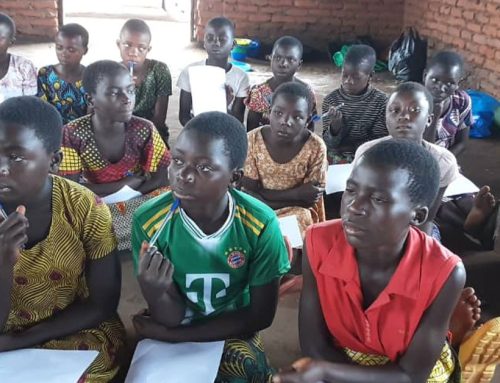
In Malawi, children who once fetched unsafe water now drink safely from a community-built well. Their improved health and reclaimed time mean more school attendance and brighter futures.
When communities lead, the benefits of reducing poverty in developing countries extend beyond one generation — they build resilience, confidence, and independence that lasts. All that is learned by the community-led organizations is put into effect to the benefit of all. And the children who benefit don’t just receive resources and opportunities to build better futures for themselves. They grow up in a world where people are empowered, where problems are solved, where people make their own lives continually better.
Benefits of Reducing Poverty in Developing Countries
 Reducing poverty creates ripple effects in any community and across any society. The benefits of reducing poverty in developing countries include:
- Improved health – Access to water and sanitation reduces disease and child mortality.
- Economic growth – Families invest in small businesses, farming, and local economies.
- Education – Children free from hunger and unsafe water can attend school.
In Bolivia, a new water system means families no longer rely on sources that are unpredictable and potentially harmful. This simple improvement not only reduces illness, it frees time for work and study, and strengthens the economy.
Ultimately, the question of how to reduce poverty in developing countries comes down to one answer: People who live in poverty realizing that they have the power within themselves to overcome the barriers that keep them in a state of deprivation and build better lives for themselves and their communities. With the right tools, communities can build self-reliant, prosperous, dignified lives.
Join us to support our sanitation efforts.
Collaborating for Change
Truly sustainable progress requires local leadership combined with collective action and partnerships with effective resource networks. Governments, NGOs, and local leaders must work together to promote equity and invest in a future that is better for everyone.

The UN underscores that ending poverty in developing countries by 2030 is achievable, but only through efforts that are systemic, collaborative and uninterrupted short-term policy changes.
Empowering Communities: The Key to Sustainable Poverty Solutions
At Outreach International, we see firsthand that the best poverty reduction strategies in developing countries are community-led. When people organize and sustain their own initiatives, the cycle of poverty is broken, and not temporarily, but permanently.
In Nepal, a community-led project brought a clean water system that reduced illness and restored dignity. The project wasn’t imposed from outside — it was conceived, designed, and executed locally.
In Nicaragua, sanitation microloans allowed families to build private latrines, protecting water sources from potential overflow and improving the day-to-day lives of community members.

Breaking the cycle of poverty means breaking barriers. It means gaining access to education, health, and opportunity. It means building a future where communities thrive on their own terms. Community-led development harnesses the power of collective action to accomplish these goals. And with the continued support of people who believe that everyone has the potential to thrive when provided the right resources and opportunities, Outreach International will continue to build a world where everyone has a chance to thrive.
__________________________________
Written and edited by Chris Conti
How to Help
Donate today to help people realize they have the power to make life better for their families and to pave their way to a future they earn for themselves.