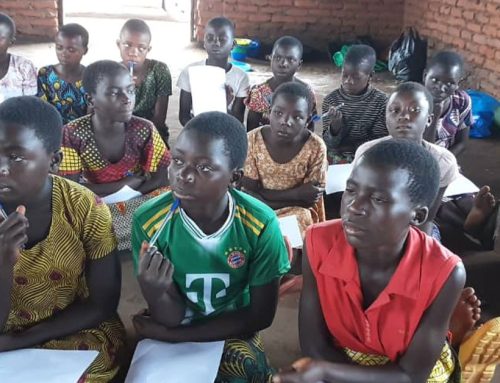
Water. Food. Energy. These three elements form a necessary, inseparable bond that lies at the heart of sustaining life for people around the world. Each is essential in its own right. And together, they represent the core of our existence, and one of the world’s most urgent and complex challenges. This means it’s crucial to understand how water scarcity affects food security.
As the global population continues to grow and issues associated with climate change become more intense, the demand for water, food, and energy is ever-increasing. At the same time, the resources we depend on are becoming more scarce in many regions of the world. The United Nations and the Food and Agriculture Organization (FAO) have identified the intersection of these three factors as a critical priority.
This blog post will explore the interdependence of water, food, and energy. It will address the challenges communities face when accessing them, and how Outreach International is partnering with communities to build resilient, self-sustaining solutions that bring progress and provide hope in all the regions where we work.
Understanding the Intersection of Water, Food, and Energy
The intersection of these three systems, what the UN refers to as the “water-food-energy nexus,” creates a system that must exist in balance for any community to thrive. Understanding this system is central to see how water scarcity affects food security. Facts gathered by the UN state that agriculture uses 72% of the world’s freshwater. At the same time, more than 25% of the world’s energy is consumed by food production and distribution. And nearly 90% of global energy production is water-intensive.

When one of these essential resources is strained, it puts the others at risk. And today, they’re all under pressure. The UN also projects this data into the future:
- Water demand is projected to increase by 20-30% by 2050.
- Food production must increase by 50% by 2050 to meet projected demand.
- Energy needs are rising due to population growth and development.
Without action, this imbalance threatens to slow or even reverse progress that has been made in recent decades on poverty, hunger, and climate resilience worldwide. As water resources become increasingly strained, several of the UN’s Sustainable Development Goals (SDGs)—particularly those focused on poverty, hunger, sustainable development, and the environment—are at risk of not being met. If this were to occur, it would be more than a theoretical failure. A great number of people in the world would continue to face obstacles that create problems in their lives that could otherwise be solved by then.
The Strain on Rural Communities
The pressure on the water-food-energy nexus is especially intense in rural areas of low-income countries. Communities in these regions often depend solely on rainfed agriculture, have limited access to clean water, and live without reliable electricity. When one of these elements breaks down, crucial farming output suffers. A recent UN food security and water quality report states:
 An estimated 2 billion people worldwide regularly live with food insecurity.
- Unpredictable rainfall can mean crop failure, leading to poor nutrition and loss of vital income.
- Limited irrigation equipment and outdated farming practices often waste water.
- Power shortages make it impossible to store food or pump water.
- Approximately 11% of all the world’s agricultural land shows signs of salt water residue, a condition in the soil referred to as salinity pollution, which causes severe crop loss and arable land.
For example, a dryer-than-average rainy season can mean families lessen or lose their harvest. Without irrigation systems in place, their food supply diminishes. In areas without a power grid, even having access to water doesn’t guarantee it’s usable for irrigation. As increased flooding mixes fresh and salt water in some areas, natural irrigation can damage soil, even far inland from the ocean.
The severity and complexity of this issue is why Outreach International helps communities address water, food, and energy challenges with holistic solutions.
Community-Led Solutions in Action
Outreach partners with community organizations to identify the root causes of their poverty and find their own solutions. Our work across the water-food-energy nexus has resulted in transformative, community-owned projects.
Irrigation and Water Conservation in India

In drought-prone areas of rural India, Outreach-supported communities have initiated projects to overcome the challenges of access to water and food. Some communities have installed drip irrigation systems and developed soil and water conservation plans. These water-smart agricultural practices help increase yields while reducing waste, ensuring families can grow nutritious food even in tough conditions. These initiatives have also brought farming cooperatives together to share best practices and reduce dependency on unpredictable rainfall. One local leader described the transformation as “the end of hunger and the start of hope.”
Clean Energy and Food Security in the Philippines
Outreach’s Rice Loan Program in the Philippines supports food security through community-owned resources. These projects generate small amounts of interest income that are reinvested in other development initiatives, including sanitation microloans and renewable energy solutions. With solar-powered infrastructure providing steady electricity for storage and food processing, the program has helped stabilize access to the staple foods that people rely on each and every day. Families no longer worry about where their next meal is coming from, and communities are investing in even more sustainable projects.
Water Storage and Purification in Nicaragua
 In the rural community of El Llanito, Nicaragua, local leaders partnered with Outreach to drill a deep water well, install a purification system, and set up distribution points powered by solar energy. This project brought clean, reliable water to hundreds of families and laid the foundation for better agriculture and hygiene. Crops can now be watered year-round, and clean water reduces the risk of waterborne illness, especially for children. Local youth have even started school gardens, using the well water to grow fresh produce for lunches.
Why This Matters for the Future
When communities can manage their water, food, and energy needs sustainably, they gain control over their future. Children are healthier when they have access to hygiene. Women have more time and opportunity when they do not have to collect open-source water. Entire communities grow more resilient in the face of unstable climate conditions.

According to the UN, more than 2 billion people currently live in countries experiencing high water stress. Without immediate action, food insecurity will spread, energy infrastructure will become overstressed, and vulnerable communities will be most affected.
But the communities that partner with Outreach are working tirelessly to find solutions and build a better future for themselves and their families. Our method of community-led development ensures that progress isn’t just made—it’s owned. Every solution is tailored to a community’s unique needs. Every project is initiated by the people who face the problem. And every solution is built to last.
How You Can Help
 You can support solutions to the water-food-energy crisis that many communities face. The issue is global, but each solution is unique and local. By donating to Outreach International, you’re not just funding a well or a solar panel. You’re unlocking the potential in people to overcome obstacles as they rise together, take ownership of their future, and build a world where everyone has the opportunity to thrive.