Water is the foundation of life, yet billions of people around the world struggle with limited access to this essential resource. Water scarcity in the world affects communities, economies, and ecosystems large and small, making it one of the most pressing global challenges of our time. This issue has long been a focus of international journalism and geopolitics, but as the world population grows and the effects of climate change become more severe, the need to ensure adequate access to safe water for all people has never been more urgent.
This blog post will explain the complex and wide-ranging series of issues created by water scarcity and demonstrate how Outreach International is working with communities to overcome the obstacle of lack of adequate access. By understanding the causes and consequences of water scarcity—and learning about the solutions that bring clean water to those who need it—you’ll see how Outreach is helping to create lasting change that will help communities to thrive.
Understanding Water Scarcity
Water scarcity occurs when the demand for freshwater exceeds the available supply. Roughly 71% of Earth is covered in water, according to the U.S. Geological Survey. Yet, only about 3% of that area contains freshwater. And, much of that is frozen in glaciers or lying deep underground. What remains must support nearly 8 billion people, including agriculture and industry, as well as all of our planet’s natural ecosystems.
Several key factors contribute to the growing water crisis:
- Population Growth – As the global population rises, so does the demand for clean water, placing strain on finite resources.
- Climate Change – Rising temperatures, shifting weather patterns, and prolonged droughts reduce freshwater availability.
- Resource Mismanagement – Overuse, pollution, and inefficient infrastructure lead to the depletion of existing water sources.
Access to clean water is considered a basic human right by all major governmental and humanitarian groups. Yet, one in three people worldwide lack adequate access to safe drinking water, according to the World Health Organization. That amounts to over 2.2 billion people. And this deficit affects every aspect of life, from health to economic stability to overall quality of life.

OUTREACH PROJECT: In El Oregano, Nicaragua, the community organization mobilized and provided each household with a 200-liter barrel to ensure year-round water security.
The Causes of Water Scarcity
 While natural factors like drought contribute to water scarcity in the world, human activity plays a significant role in worsening the issue to crisis levels in many regions. Some of the biggest contributors include:
- Unsustainable Agriculture – Irrigation accounts for 70% of global freshwater use, according to the Food and Agriculture Organization of the United Nations. And inefficient water use drains resources at unsustainable rates.
- Industrial Demands – Factories and energy production often require massive amounts of water, and often leave wastewater that is polluted and unusable.
- Limited Freshwater Resources – Many regions rely on groundwater, which sits in underground levels of saturated earth, called the water table. This slow-seeping source takes centuries to replenish. And overuse can lead to shortages.
Because of these factors, the gap between water supply and demand has continued to widen, placing entire populations at risk for water scarcity.

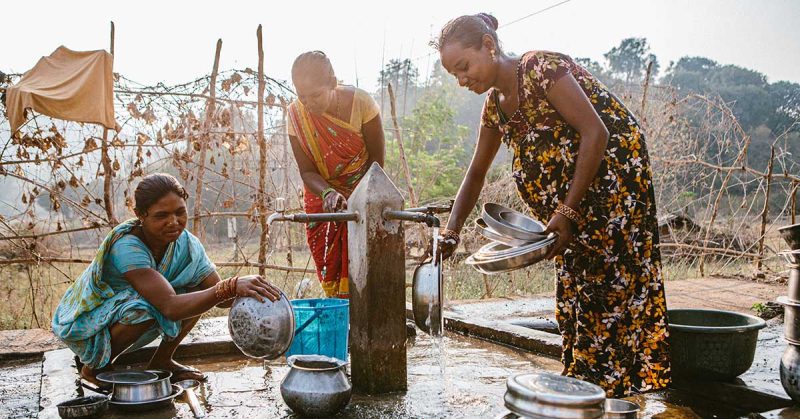
Sasmita, a farm laborer from Kurumpeta, India, spent most of her days collecting water from a distant river, carrying roughly 35 pounds of water. Now her community has water in their homes, and the cycle of hardship will not pass to her daughters.
Economic Impacts of Water Scarcity
The economic impacts of water scarcity are widespread, affecting businesses, industries, and entire nations. Without reliable access to water, productivity cannot be controlled, which raises costs and uncertainty. This causes economic opportunities to shrink.
 How Water Scarcity Drives Costs and Reduces Productivity
- Rising Prices – A shrinking water supply increases costs to acquire it for businesses and therefore consumers. This raises prices for food, utilities, and manufactured goods.
- Agricultural Losses – Farmers rely on water for irrigation and livestock health. Shortages can lead to reduced crop yields and smaller herds, causing economic hardship for farmers and food insecurity for consumers.
- Job Market Instability – Water-dependent industries such as manufacturing and energy production must reduce operations when water becomes scarce, leading to lower productivity and job insecurity.

In Nandibadi, India, an Outreach community organization constructed a solar powered water well and storage system, providing 235 people with abundant, convenient water.
Environmental Impacts of Water Scarcity
Water scarcity doesn’t just affect people. Because it disrupts ecosystems, it endangers wildlife, and threatens biodiversity. Freshwater loss can have devastating effects on natural habitats.
The Threat to Biodiversity and Natural Habitats
- Habitat Destruction – Wetlands, rivers, and lakes shrink, leaving fish and wildlife without essential water sources.
- Species Endangerment – When water levels become unstable, so do water temperatures, oxygen levels, and habitat sizes that animals require to survive. When water disappears, so do entire populations of fish, birds, and plants.
- Soil Degradation – Lack of water leads to desertification, making land infertile and unusable for farming.
The effects of these environmental impacts of water scarcity highlight the need for sustainable water management practices to protect the balance of our planet’s various ecosystems. Environmental stability is a necessary condition for socioeconomic stability.
Political Impacts of Water Scarcity in the world
Water scarcity has become a geopolitical issue, sparking tension over access to dwindling resources. Wherever competition for water increases, tensions rise between communities, regions, and even nations can grow.
 Global Efforts to Combat Water Scarcity
International organizations and governments are working to address the political impacts of water scarcity through policy reform and innovative solutions, including:
- Water Reuse Initiatives – Programs that reclaim and treat water for reuse in agriculture and industry.
- Sustainable Water Management – Investment in infrastructure, conservation technology, and public awareness campaigns.
- Collaborative Agreements – Countries working together to share resources and implement fair water distribution policies.
Social Impacts of Water Scarcity
The social impacts of water scarcity extend beyond economics and politics—they affect everyday life. Limited access to clean water impacts health, education, and quality of life, especially in underserved communities.
 Community Health and Well-Being
- Increased Disease Risk – Contaminated water contributes to illnesses such as cholera, dysentery, and typhoid. Millions of children under the age of five have their lives at risk due to inadequate water, sanitation, and hygiene.
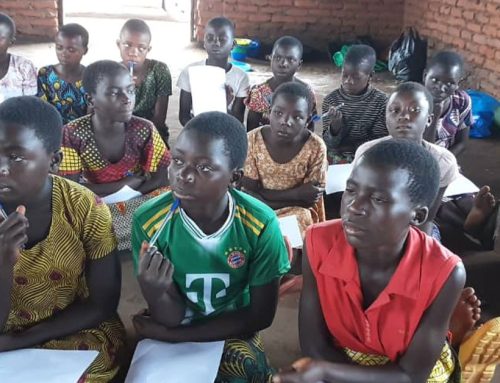
- Limited Educational Opportunities – Many children miss school due to waterborne illness. And many must forego school entirely because they’re required to walk miles each day to fetch water for their families.
- Forced Migration – Communities that face extreme and prolonged water shortages are often forced to relocate in search of sustainable living conditions. This creates uncertainty and upheaval for families.
Water scarcity isn’t just an environmental issue—it’s a humanitarian challenge. But with investment in solutions like improved sanitation and water infrastructure, Outreach is working with communities to change their future.
Securing the Future: Addressing Water Scarcity
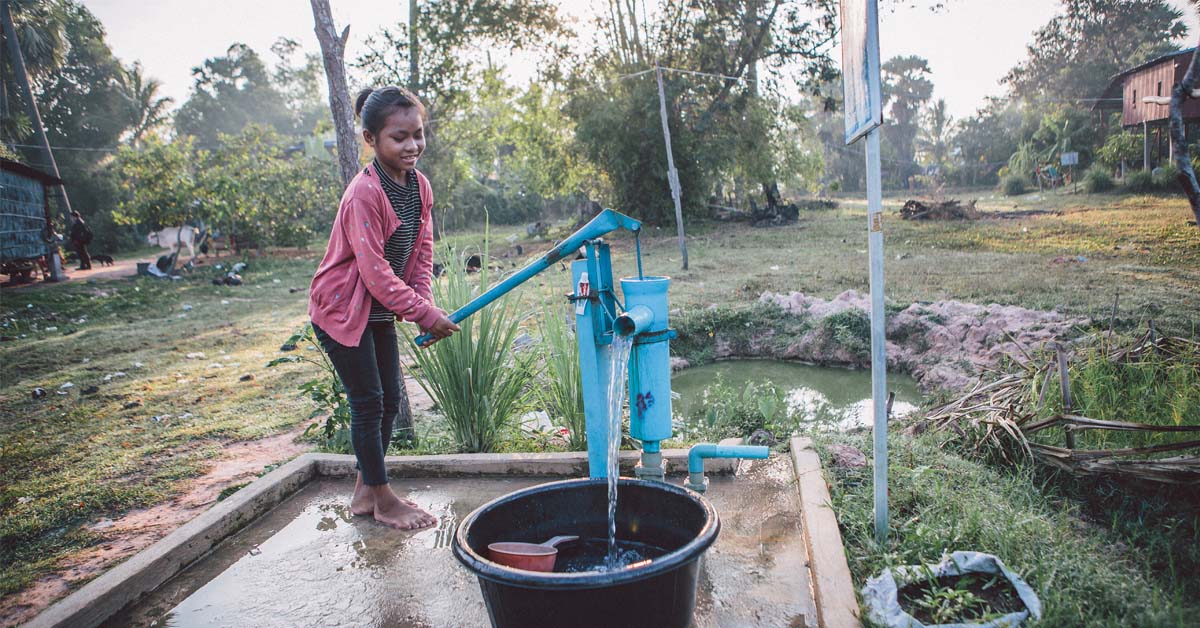
Water scarcity is a global challenge, but it’s not insurmountable. Around the world, people are coming together—through innovation, policy, and community-driven efforts—to tackle this urgent issue. By focusing on sustainable solutions like water conservation and reuse, and helping communities increase their capacity to implement solutions, we can ensure that every person, no matter where they live, has adequate access to clean and safe water.
At Outreach International, we believe that lasting improvement begins at the local level. By working alongside local partners, we help communities implement solutions that meet their unique needs—whether that means building sustainable water systems, restoring natural water sources, or improving sanitation and hygiene practices. Our work not only supports access to water, but everything that comes with it, such as long-term health, economic security, and dignity for all.
How to Help
Water scarcity in the world may be a complex issue, but you can be part of the solution. By supporting Outreach International, you are contributing to real, sustainable results that nourish entire communities—one drop at a time. Please consider making a donation today.