Every year on November 19 we observe World Toilet Day. First, this day serves as a reminder of the vital role that sanitation plays in our lives and the pressing need for clean, safe toilets all around the world. And just as important, World Toilet Day exists as a reminder to us all. It’s a call to action to address the global sanitation crisis, which affects billions of people who lack even the most basic sanitation services.
Without access to clean, safe toilets, millions of people are vulnerable to preventable diseases, environmental hazards, and social inequalities. Outreach International addresses these issues through sustainable, community-led initiatives in the low-income areas around the world where we work.
This blog post will share information on the reason World toilet day came to be and the sanitation crisis it brings to light. Everyone appreciates the importance of toilets, but the serious realities of the global sanitation crisis cannot be overstated. You’ll understand the reason sanitation has become a worldwide development goal, and the ways in which Outreach is working to solve this problem for all people.
Why World Toilet Day Matters: Addressing the Global Sanitation Crisis
 World Toilet Day was established to raise awareness about the severe global sanitation crisis that impacts over a billion people worldwide. While toilets are commonplace in many parts of the world, and so many of us have access to the resources to take this crucial infrastructure for granted, 1.5 billion people still lack basic sanitation services. And, 419 million people are forced to defecate in the open because they lack access to any form of bathroom or enclosed and private sanitation space.
This crisis is especially prevalent in low- and middle-income countries, where inadequate sanitation contributes to severe health issues, environmental pollution, and widespread poverty. World Toilet Day exists to emphasize the need for action by all of us to address these issues. What’s at stake is the health, safety, equality and dignity of so many people around the world.
Facts About Toilets
Toilets are a central necessity of modern human life, especially in population-dense areas. But despite their importance, sanitation access remains insufficient throughout vast regions of the world. The World Health Organization states:
 Over 1.5 billion people lack access to basic sanitation, such as private toilets or latrines.
- In 2020, nearly 44% of global household wastewater was discharged without treatment. This leads to significant contamination of nearby water sources that local residents have no choice but to use.
- Inadequate sanitation, drinking water, and hygiene are responsible for approximately 1.4 million preventable deaths each year. The majority occur in low-income countries where access to sanitation is most limited.
Improving access to proper toilets and adequate sanitation services significantly reduces the risk of diseases like cholera, dysentery, and typhoid. It’s an essential public health measure.
Toilets Are a Basic Human Right
Access to sanitation is not just a matter of convenience for those who can afford it. It’s about preserving health, equality, safety, and dignity for all people. Ensuring access to sanitation is especially critical in vulnerable communities that currently lack this most basic resource. Along with the obvious health risks, the lack of toilets contributes to environmental pollution. Inadequate sanitation and poorly managed latrines can easily overflow, especially during seasons of heavy rain. This causes human waste to spill over onto peoples’ property, gardens, and homes. This result can have a catastrophic effect on the day-to-day life of a household.

Outreach International is actively engaged in community-led efforts to address these challenges and support local initiatives to build and maintain proper sanitation facilities. These projects provide lasting solutions, enabling communities to take control of their sanitation needs. These efforts lead to cleaner surroundings, less illness and health risk, fewer days missed for work and school, and lower health care costs. They also lead to more pleasant homes with more space for gardens and other income-generating activities. All of these results combine to help break the cycle of poverty.
The Social and Economic Impact of Inadequate Sanitation
 The lack of adequate sanitation contributes to a wide range of social and economic challenges, exacerbating poverty, inequality, and health problems. Without proper toilets, low-income communities, especially those that are marginalized and remote, face the most risk, living with higher disease rates and more lost educational and economic opportunities than others. In many areas, inadequate sanitation creates barriers, especially for women and girls, who face increased risks to their safety because they lack private toilets.
Outreach International empowers communities to solve their sanitation problems through programs such as microloans. These sanitation microloans provide families with the resources needed to build private toilets and the education to maintain them. This creates safer, healthier environments and restores dignity. By empowering families to take control of their sanitation facilities, these microloans not only improve individual health outcomes but also strengthen the socioeconomic potential of entire communities.
The Importance of Sanitation in Schools
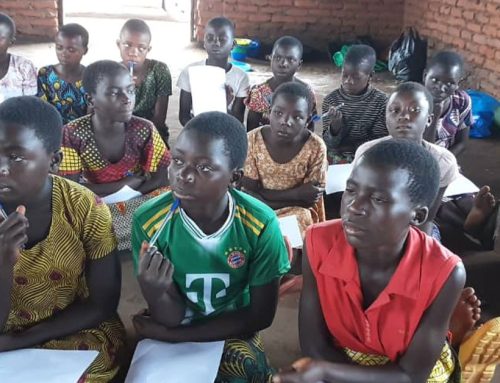
School sanitation is another critical aspect of public health and equality. For students in remote and low-income areas, the lack of clean and safe toilet facilities can disrupt education and affect physical and the emotional well-being of children who need to focus on learning. Girls, in particular, may miss school due to inadequate facilities, reducing their opportunities for learning and development.

Outreach International works to improve school sanitation by working with communities so they can implement safe, reliable toilets in schools. These initiatives ensure that all students have access to clean bathrooms, promoting better health and enabling uninterrupted learning. Clean and safe toilets in schools contribute to a healthier, more inclusive learning environment, allowing students to focus on their education.
How to Take Action on World Toilet Day
World Toilet Day is important because it brings to light a crucial and widespread problem faced by almost half of the people on the planet. Though many of us are fortunate enough to be able to spend our days in clean, pleasant, healthy surroundings, it’s an opportunity for each of us to get involved and address the global sanitation crisis.

How to Help
Outreach International is dedicated to improving sanitation access in the communities where we work. Join us in advocating for sanitation as a basic human right and helping communities build a healthier, more dignified future. Your support of Outreach International’s work in sanitation can make a life-changing impact for families, schools, and entire communities.